Industrial water jetting sectors
Choose the sector closest to your site, then tell us what has stopped, fouled or is waiting for preparation. The provider can ask about the local controls that genuinely affect that job.
Petrochemical sites
Process residues, isolation, hazardous areas and shutdown permits.
Power generation
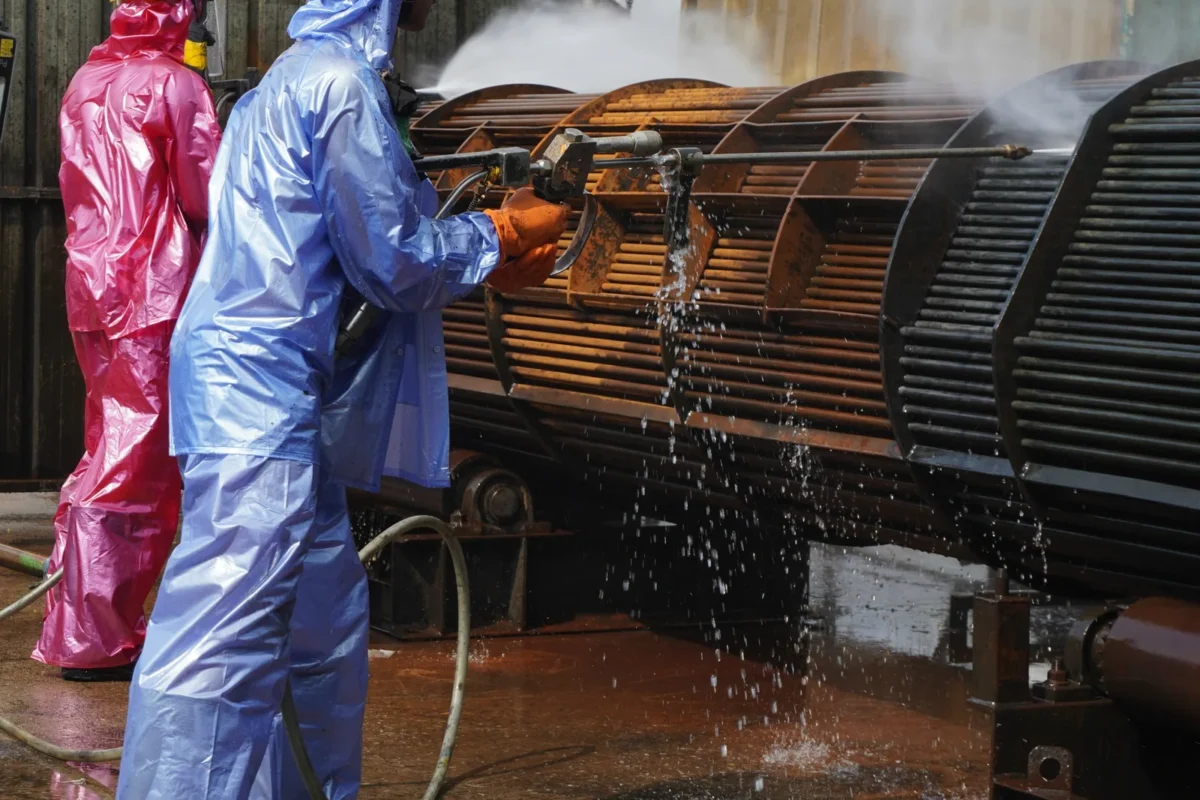
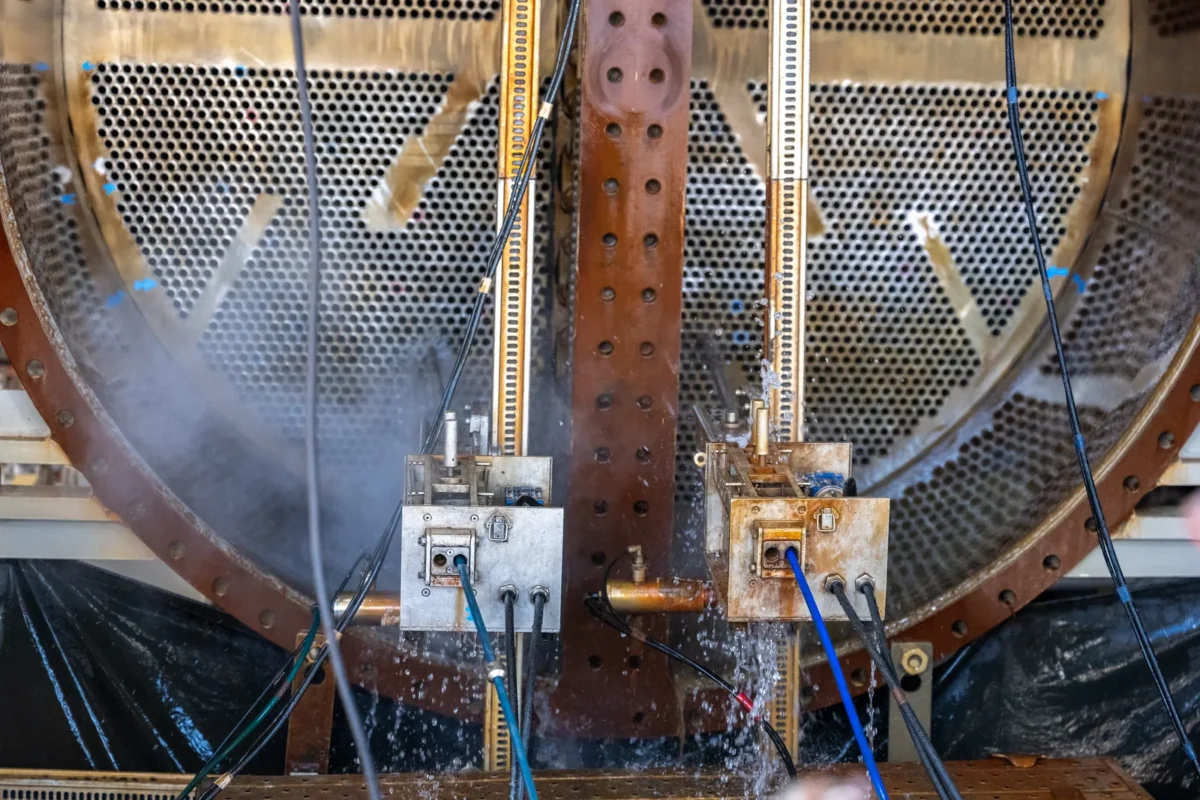
Condensers, tubes, vessels and surfaces planned around outage work.
Food and beverage manufacturing
Product residue, hygiene controls and authorised wastewater routes.
Utilities and water
Tanks, channels, culverts and pipework planned around live flows.
Marine and ports
Changing access, tides, exposed structures and protection of nearby water.
Heavy manufacturing
Dense plant, stubborn build-up and cleaning around production.
Facilities management
Building access, occupiers, drainage and clear completion records.
Construction and civils
Concrete removal, surface preparation and drainage coordinated with other trades.
What changes from one industry to another
A jetting pump may serve several applications, but the work around it is never identical. Petrochemical and manufacturing sites need process information and isolation. Food sites add hygiene and product controls. Utilities, marine and civil work often place extra importance on flows, runoff and the destination of loosened material.
Those differences remain visible in the quotation. The work description names the pipe, tank, exchanger, surface or drainage route, together with the material to remove, usable openings and the inspection required afterwards.
What to tell us about your site
Start with the location and the current problem. Add a photograph of the affected item and a wider view of the route to it if you can. Tell us when the site contact can discuss access; you do not need to choose a nozzle or pressure setting.
For help selecting a service, start with high pressure jetting services or the relevant cleaning problem. Missing details can be raised before a provider confirms the quotation.
Choosing a service for the equipment and deposit
Sector experience helps frame the questions, but it does not replace a job-specific review. Two factories may have different pipe materials, residues, drainage and production restrictions. Two civil projects may need different concrete removal limits. Each sector enquiry therefore returns to the actual plant, pipe, vessel, surface or drain.
If you are unsure which route fits, send a short description through the quotation form. The first review can compare the need with tube cleaning, line jetting, vessel cleaning, hydrodemolition or surface preparation and explain what further information is required.
If no sector page is an exact match, use the quotation form. A short account of the fault and the next maintenance decision gives us enough to begin checking which service and provider may fit.
Do you use the same jetting method in every sector?
No. The equipment, build-up, access and site controls determine the suitable method for each job.
What should I send with an enquiry?
Send the location, photographs, drawings if available, what needs cleaning and the dates when it can be accessed.
Can work be planned around production or an outage?
Yes, where the available time, isolation, access and inspection requirements can be agreed before attendance.
How is wastewater handled?
The route depends on what the water contains after cleaning. Capture and authorised handling are agreed with the site before work starts.